Donor Egg Treatment in Nagarabhavi, Bangalore

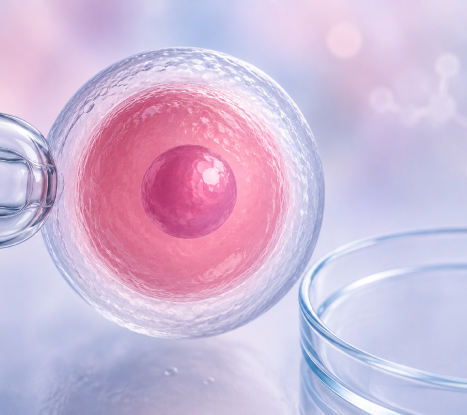
Not every woman going through IVF has eggs that can lead to a successful pregnancy. When the underlying problem involves the ovaries and poor egg quality, donor egg treatment in Nagarabhavi, Bangalore, gives patients a way forward using eggs from a screened donor. Santhathi IVF Centre uses this treatment for women past their late thirties dealing with advanced maternal age, diminished ovarian reserve and premature ovarian insufficiency. Once a donor is matched and the recipient’s uterine lining is ready, the donor’s eggs are fertilised in the lab, & the resulting embryo is transferred to the recipient.

What is Donor Egg Treatment and Who May Benefit from It?

In the lab, sperm fertilise the donor’s eggs. Sperm comes from the father or a donor. The clinic then places the embryo into the recipient’s uterus. Before that happens, every donor undergoes screening that covers her medical history, genetic risk, and infectious disease status.

Doctors turn to donor egg IVF mainly for two reasons: when a woman’s ovarian reserve is too low to work with, or when repeated IVF cycles have failed because of egg quality. What makes this option viable is that the uterus itself is often still capable of carrying a pregnancy, even after the ovaries stop producing eggs worth using.
Donor Egg Treatment Process

  1. Fertility Evaluation and Counselling: Doctors start by checking the recipient’s hormones and uterine health and reviewing any fertility treatments the patient has already tried. This usually helps determine whether poor egg quality or the uterus is contributing to the difficulty.
  2. Donor Matching and Selection: Donors are matched to recipients by blood group and physical traits such as height and complexion. Recipients review anonymised profiles of screened egg donors before making a selection.
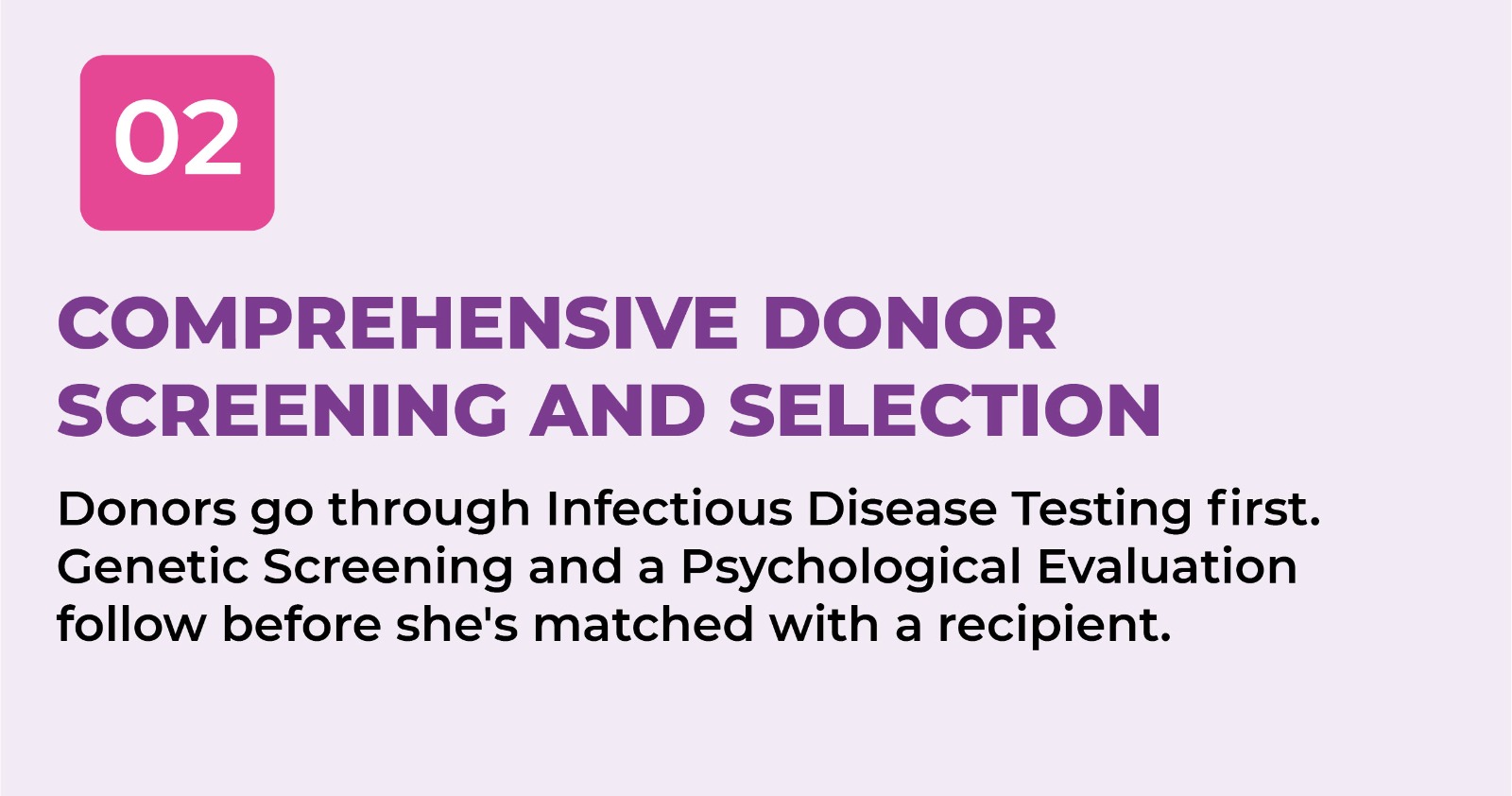
  3. Donor Screening: Donors are tested for infectious diseases and genetic conditions and then evaluated psychologically. The screening process can take a few weeks.
  4. Recipient Endometrial Preparation: The recipient takes hormonal medication to thicken her uterine lining. Doctors monitor the progress using ultrasound and schedule the transfer once the lining is ready.
  5. Fertilisation and Embryo Development: The embryologist evaluates the sperm sample and decides whether to use IVF or ICSI. The embryos are then monitored and graded as they develop, with the strongest embryo selected for transfer.
  6. Embryo Transfer: A catheter is used to place the embryo into the uterus. The procedure takes only a few minutes, does not usually require anaesthesia, and most patients can resume normal activities the same day.
  7. Pregnancy Testing: A blood test is performed approximately two weeks later to check for implantation. An ultrasound is conducted a few weeks afterward to confirm the pregnancy.

Donor Screening and Selection Process

  • Medical Screening: Before a donor is accepted into the programme, doctors check her ovarian reserve and hormone levels. A general physical examination is also part of the process. IVF using donor eggs depends heavily on this stage, as the donor’s health directly affects how her eggs and embryos develop.
  • Genetic Screening: Carrier screening is conducted to identify inheritable conditions that could be passed on through the donated eggs.
  • Infectious Disease Screening: HIV and hepatitis testing are standard, along with screening for other infectious diseases.
  • Ethical Practices and Donor Confidentiality: The identities of the donor and recipient are kept confidential. Donor recruitment and compensation follow the rules established under India’s regulatory framework for egg donation.

Donor Egg Treatment Success Rate

A younger donor usually means better egg quality, but the recipient’s uterine lining plays just as big a role in whether implantation succeeds. Age, embryo quality, and the condition being treated, whether that’s premature ovarian insufficiency (POI) or another cause, all factor into the success rate of donor egg treatment.

Donor Egg Treatment Cost in Bangalore – What to Expect

Price depends on the treatment plan and donor program selected. Extras such as ICSI or embryo freezing add to the cost, as does needing more than one cycle. Full details are available on our cost page.

Why Choose Santhathi IVF Centre for Donor Egg Treatment?

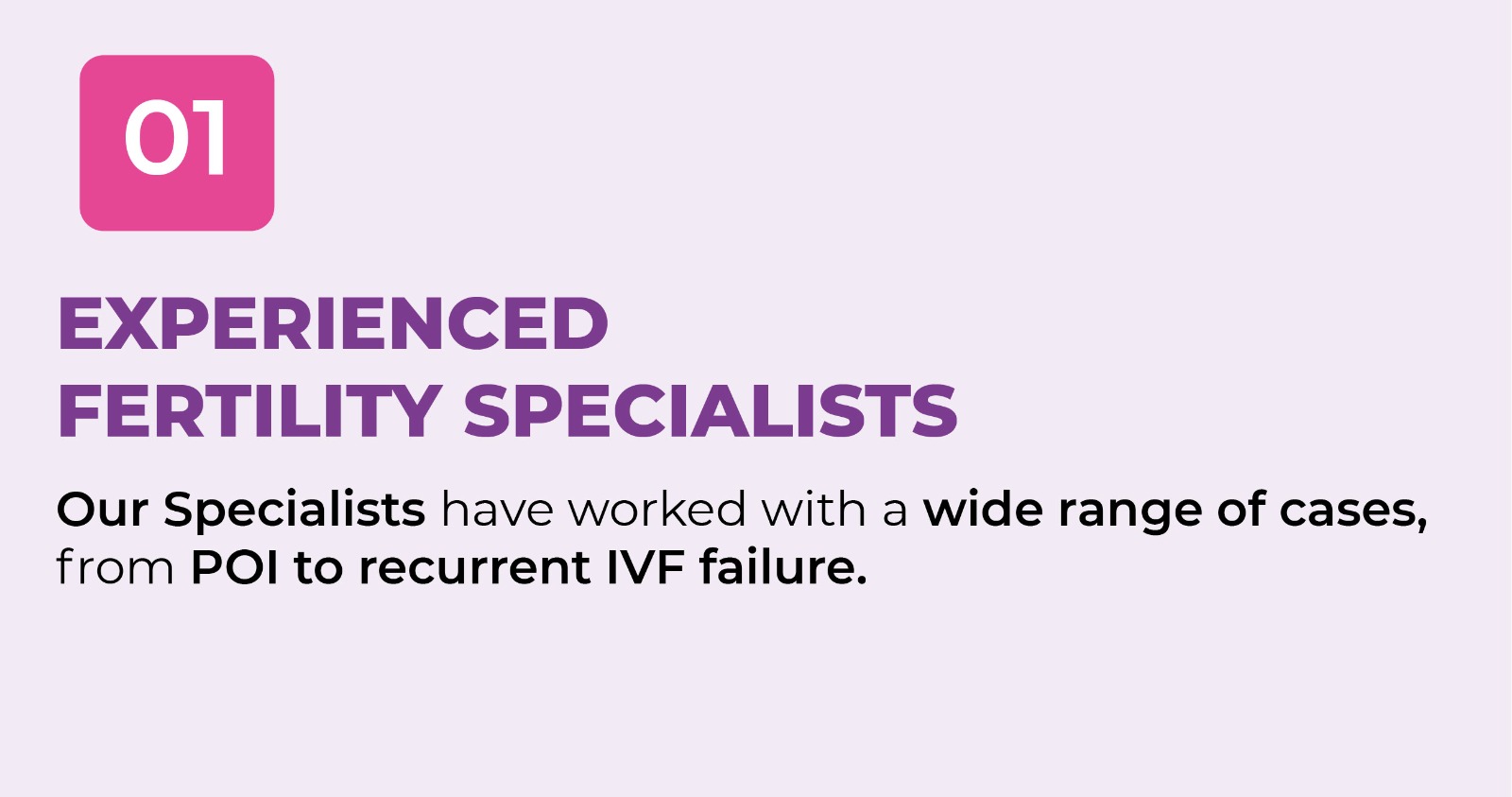
Patients who have chosen Santhathi for fertility treatment with donor eggs know that our specialists stay closely involved at every step. That’s what has earned Santhathi its reputation as the best donor egg clinic in Nagarabhavi, Bangalore

Dr.Ashwini S

MBBS, DGO, DNB, FIRM

Frequently Asked Questions

 Who may benefit from donor egg treatment?

Women with poor egg quality, diminished ovarian reserve, premature ovarian insufficiency, advanced maternal age, or repeated IVF failure linked to egg quality may benefit from donor egg treatment.

How are egg donors screened?

Donors are checked for infectious diseases and reviewed for genetic risk. A psychological evaluation is part of the process as well.

Is donor egg treatment performed as part of IVF?

Yes. The main difference from a standard cycle is the source of the eggs.

What is the success rate of donor egg treatment?

There’s no fixed number here. Age, uterine health, and how well the embryo develops all play a part, and it’s worth asking your specialist about how high your chances are.

Stories of Hope

We are honored to have been a part of so many journeys to parenthood.
See what our patients are saying on Google.

Santhathi IVF

Santhathi OPD - Santhathi Fertility & Maternity Centre