
Female Infertility Treatment in Nagarabhavi, Bangalore
Female infertility treatment in Nagarabhavi at Santhathi IVF begins with understanding the factors that may be affecting conception. Care is led by Dr Ashwini S, Head of Santhathi IVF, with evaluation based on age, medical history, reproductive history and test findings. The aim is to develop an individualised fertility plan rather than recommend the same treatment for every patient.
When Should You Consider a Fertility Evaluation?
The appropriate time for a fertility evaluation for women depends on age, reproductive history and known medical factors. Generally, an evaluation is advised after 12 months of regular, unprotected intercourse without pregnancy when the woman is under 35, or after six months when she is 35 or older.
Earlier assessment may be appropriate with irregular or absent periods, known endometriosis, suspected tubal problems or relevant pelvic surgery. Women over 40 may benefit from prompt specialist assessment. Learn more about when to consult a fertility specialist.
Common Causes of Female Infertility
-
Ovulation Disorders and PCOS
Irregular or absent ovulation can reduce opportunities for fertilisation. PCOS is one possible cause of ovulatory dysfunction, although not every woman with PCOS has infertility. Ovulation disorder treatment depends on the underlying cause and may involve medicines to support ovulation. -
Blocked or Damaged Fallopian Tubes
The fallopian tubes are normally where the egg and sperm meet and also provide a route for the early embryo towards the uterus. Tubal blockage or damage can interfere with these processes. Blocked fallopian tube treatment depends on the location and extent of the damage and may involve surgery or IVF in selected cases. -
Endometriosis
Endometriosis may affect fertility in different ways, including through pelvic inflammation, adhesions or effects on the ovaries and fallopian tubes. Endometriosis infertility treatment is therefore planned according to individual findings, age, ovarian reserve and reproductive goals. -
Uterine Factors
Selected fibroids, polyps, and abnormalities affecting the uterine cavity may impact fertility. Their clinical significance depends on factors such as size, location and whether the uterine cavity is affected. -
Age and Ovarian Reserve
Egg number and quality change with age, making age an important factor in female fertility. AMH is one marker used to assess ovarian reserve, but it does not measure egg quality or independently predict the ability to become pregnant. A low AMH result does not mean pregnancy is impossible. It is considered alongside age, antral follicle count and other findings when planning fertility care. -
Unexplained Infertility
Sometimes, routine investigations do not identify a single clear cause. Treatment can still be considered based on age, duration of infertility, previous treatment and the overall fertility assessment.
How Is Female Infertility Evaluated?
There is no single group of female infertility tests that is appropriate for every woman. Investigations are selected based on symptoms, age, reproductive history, and previous treatment.
-
Medical and Reproductive History
The assessment may cover menstrual cycles, previous pregnancies, medical conditions, pelvic surgery and previous fertility treatments. -
Ovulation Assessment
Menstrual history can provide useful information about ovulation. Hormonal investigations may be recommended when clinically indicated. -
Ovarian-Reserve Assessment
AMH, antral follicle count and other assessments may be used where appropriate. No single ovarian-reserve test can independently predict pregnancy. -
Pelvic Ultrasound
Ultrasound may be used to assess the uterus, ovaries and other pelvic findings. -
Fallopian-Tube and Uterine-Cavity Assessment
Tests may be recommended to assess whether the fallopian tubes are open and to evaluate the uterine cavity, depending on the clinical situation. -
Partner Evaluation
A semen analysis may be recommended as part of a male infertility evaluation alongside the woman’s assessment because fertility difficulties can involve male factors, female factors or both. Not every patient requires every available test.
Female Infertility Treatment Based on the Identified Cause
The choice of female infertility treatment in Nagarabhavi depends on the identified fertility factors, age, duration of infertility, previous treatment, test results and reproductive plans.
-
Treatment for Ovulation Disorders
Medicines may be used to support ovulation where clinically appropriate. Treatment is selected according to the cause of the ovulation problem. -
PCOS-Related Infertility Treatment
PCOS infertility treatment may include lifestyle and metabolic-health guidance, ovulation treatment or assisted reproduction, depending on individual findings and treatment response. Fertility treatment does not cure PCOS. -
Blocked Fallopian Tube Treatment
Management depends on the location and severity of tubal damage. Selected cases may be considered for surgery, while IVF may be appropriate when tubal function is significantly affected, or other factors support its use. -
Endometriosis-Related Infertility Treatment
Depending on individual findings, fertility planning may involve expectant management, surgery, IUI or IVF. Medicines may be used separately to manage symptoms where appropriate. -
Treatment for Uterine Factors
Hysteroscopy or laparoscopy may be considered for selected uterine or pelvic conditions when clinically indicated. -
IUI, IVF and ICSI
IUI treatment may be considered when the fallopian tubes are open, and other clinical factors are suitable. IVF treatment may be recommended for tubal factors, unsuccessful earlier treatment or other indications. ICSI may be used alongside IVF when clinically indicated, particularly to address fertilisation failure or significant male-factor concerns.
Fertility Treatment Options Available at Santhathi IVF
Santhathi IVF provides individualised fertility care based on clinical findings. Treatment options may include IUI treatment, IVF treatment, ICSI, laparoscopy and hysteroscopy for selected conditions, and donor-egg treatment where medically and legally appropriate.
The appropriate treatment is recommended only after reviewing both partners’ fertility evaluation, medical history and reproductive plans.
Why Consider Santhathi IVF for Female Infertility Care?
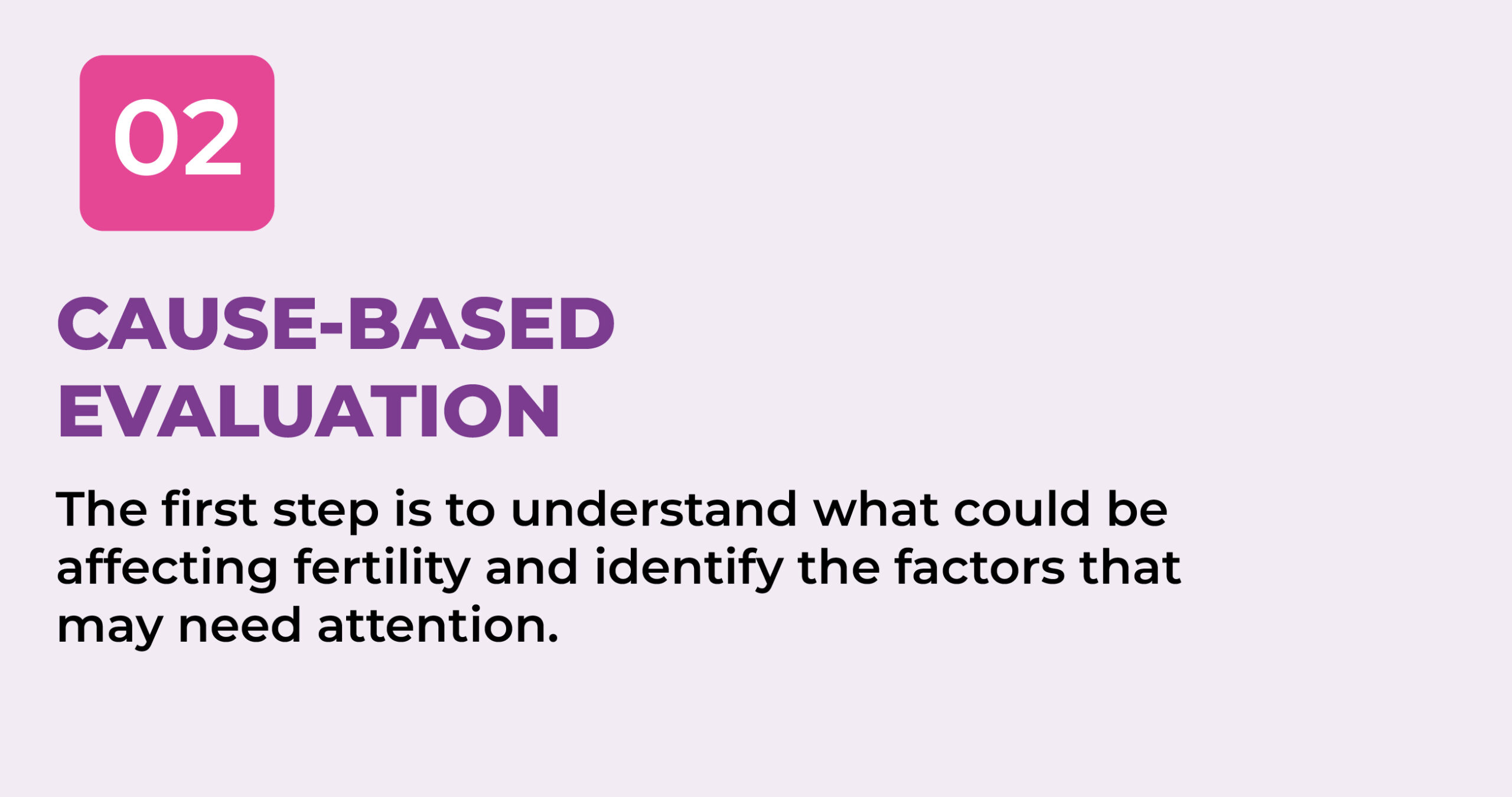
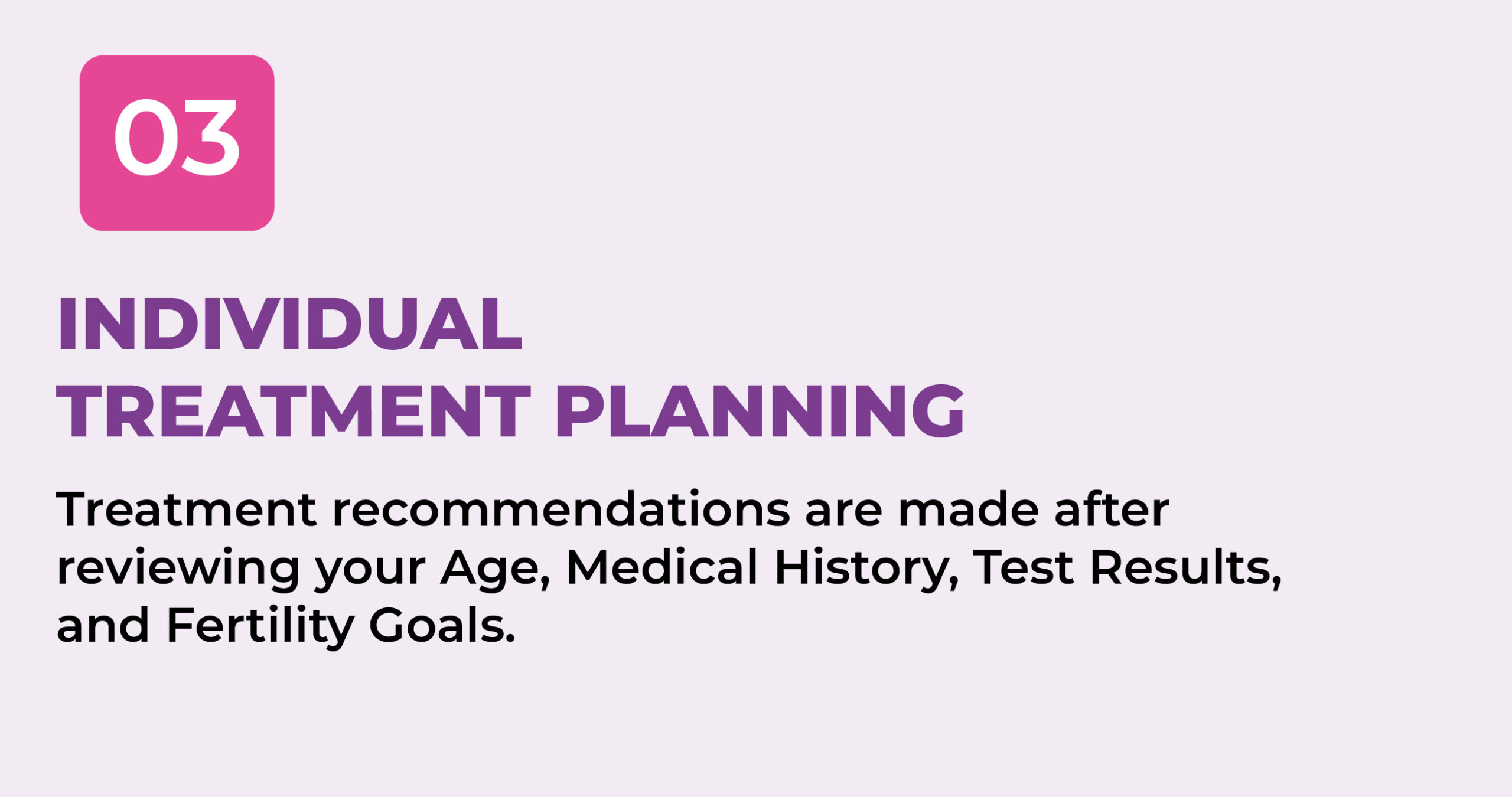

Dr.Ashwini S
MBBS, DGO, DNB, FIRM
Frequently Asked Questions About Female Infertility
-
What are the common causes of female infertility?
Common factors include ovulation disorders, tubal factors, endometriosis, age-related fertility changes and selected uterine conditions. -
Which tests may be recommended for female infertility?
Depending on the individual case, tests may include ovulation assessment, ovarian reserve testing, pelvic ultrasound, and assessment of the fallopian tubes or the uterine cavity. -
Does low AMH mean pregnancy is impossible?
No. AMH is one ovarian-reserve marker and does not independently determine whether pregnancy is possible. -
Can blocked fallopian tubes be treated?
Treatment depends on the location and extent of tubal damage. Surgery or IVF may be considered in selected situations. -
Is IVF always required for female infertility?
No. IVF is not required in every case. Treatment depends on the identified cause and the findings from the fertility evaluation. -
When should I seek a fertility evaluation?
Generally, evaluation is advised after 12 months of trying to conceive if the woman is under 35, or after six months if she is 35 or older. Earlier assessment may be appropriate when fertility concerns are already known.
Concerned about your fertility? Consult our fertility team in Nagarabhavi, Bangalore.
Stories of Hope
We are honored to have been a part of so many journeys to parenthood.
See what our patients are saying on Google.
Trustindex verifies that the original source of the review is Google. My wife and I welcomed our beautiful baby girl recently, and looking back at our journey, our hearts are filled with immense gratitude for Dr. Ashwini and the entire Santhathi Fertility Clinic team. Throughout this journey, Dr. Ashwini was more than just a doctor—she was our biggest support. Her constant monitoring, quick decisions, and attention to even the tiniest details made us feel safe at every step. What truly touched us was her honesty and clarity. If something wasn’t working, she never let us lose precious time—she immediately guided us towards the right treatment with so much care and confidence. Even with her busy schedule, she was always just a phone call away during emergencies. That reassurance during our most anxious moments meant more than words can express. The hospital staff also deserve a big thanks. Their patience, kindness, and gentle way of addressing our questions made every visit easier and filled with hope. Today, as we hold our little girl in our arms, we know this happiness was made possible because of the dedication, compassion, and expertise of Dr. Ashwini and the Santhathi team. We will always be grateful. Highly recommended from the bottom of our hearts.Trustindex verifies that the original source of the review is Google. I recently delivered a healthy baby girl, and I cannot thank Dr. Ashwini and the entire team at Santhathi Fertility Clinic enough for their incredible support throughout my pregnancy journey. Dr. Ashwini’s regular monitoring and timely actions truly helped avoid any potential risks. She pays attention to every small detail, even if it seems minor, and ensures nothing is overlooked. What I appreciate the most is that she never pushes any treatment unnecessarily—if something isn’t working, she immediately suggests the right alternative without wasting time. She has been consistently reachable and responsive over phone calls during emergencies, despite her busy schedule. That reassurance meant a lot during such a crucial phase. A special mention to the hospital staff and faculty as well. They are extremely patient, kind, and always ready to address any queries without hesitation. I am truly grateful for the care, guidance, and support I received at Santhathi. Highly recommend this clinic and Dr. Ashwini to anyone on their fertility or pregnancy journey.Trustindex verifies that the original source of the review is Google. I am so incredibly grateful to Dr. Ashwini for her exceptional care throughout my pregnancy and delivery. From our very first appointment, she made me feel safe, heard, and truly supported. She was always patient, answering all my questions with kindness and clarity, no matter how small or anxious they seemed.If you are looking for a gynecologist who combines medical expertise with warmth, attentiveness and real human connection, I highly recommend Dr.Ashwini. She truly made this one of the most beautiful moments of my life.Trustindex verifies that the original source of the review is Google. Best doctor I suggest all must visit to this hospitalTrustindex verifies that the original source of the review is Google. I love this dr ❤️ best ever seen plz visitTrustindex verifies that the original source of the review is Google. Good experience with best doctor Ashiwini S. Happy to say and suggest for others must visit this hospital. Thank you madamTrustindex verifies that the original source of the review is Google. Best Doctor..... ❤Trustindex verifies that the original source of the review is Google. Dr. Ashwini was excellent. They patiently answered all my questions and explained every part of the treatment plan and The support staff was equally supportive. I've been going to this clinic for years and I am always pleased with the care and It was a great experience and I felt very confident in their care. Overall it was good experienceTrustindex verifies that the original source of the review is Google. Thank you for Dr. Ashwini ma’am guidance, support and well caring staff/team 👍.Trustindex verifies that the original source of the review is Google. Thank you for Dr. Ashwini ma’am guidance, support and well caring staff/team 👍.